The Role of Framing in Building Strong and Durable Structures

December 26, 2025

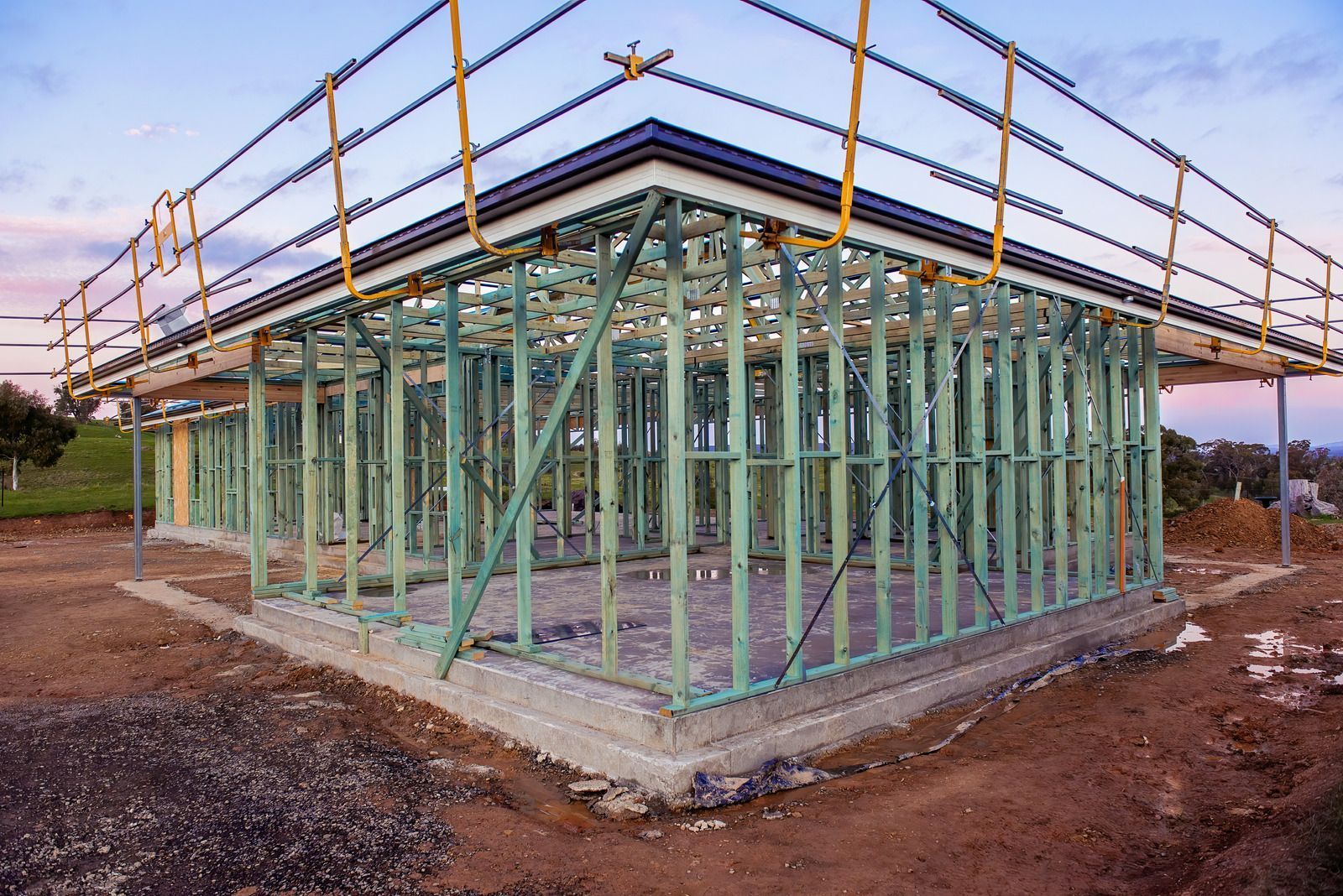
Framing serves as the backbone of any construction project, providing the essential support and shape that ensures a structure’s longevity and safety. From residential homes to commercial buildings, proper framing techniques are crucial for withstanding environmental stressors, distributing weight efficiently, and maintaining the overall integrity of the construction. Without a strong and well-executed frame, even the highest-quality materials can fail prematurely, leading to costly repairs, safety hazards, and reduced property value. For builders, architects, and homeowners alike, understanding the importance of framing is the first step toward achieving durable and reliable structures.


In the construction industry, framing is more than just assembling wooden or steel components—it is a strategic process that balances design, functionality, and engineering principles. Modern construction methods have evolved to incorporate advanced materials, precise measurements, and innovative techniques that enhance structural performance. By examining the role of framing in depth, including its types, benefits, challenges, and best practices, stakeholders can make informed decisions that lead to stronger buildings. This article explores how proper framing impacts building durability, offers actionable insights for construction projects, and emphasizes why investing in high-quality framing is a cornerstone of long-term structural success.

Understanding Framing: The Foundation of Structure

What is Framing?

Types of Framing

Key Functions of Framing

The Benefits of Strong Framing

Enhancing Structural Integrity

A properly executed frame ensures that a building can endure environmental stresses without compromising safety. Strong framing materials and precise installation techniques prevent sagging, settling, and structural failure. For instance, steel framing can resist hurricane-force winds, while engineered wood reduces the risk of uneven flooring or bowing walls over time.

Energy Efficiency and Comfort

Effective framing also contributes to energy efficiency. Well-aligned frames allow for tighter insulation installation, reducing air leakage and thermal bridging. This improves indoor comfort, lowers energy costs, and promotes sustainable building practices, particularly in regions with extreme weather conditions.

Longevity and Reduced Maintenance

Investing in quality framing increases the lifespan of a building. A well-framed structure resists common issues like cracks, water intrusion, and foundation shifting. Consequently, property owners benefit from reduced maintenance costs, fewer repairs, and higher resale value, making framing a cost-effective long-term investment.

Real-World Example

Consider a two-story residential home built in a hurricane-prone area. Homes with reinforced steel framing experience significantly less damage during high winds compared to traditional wood-framed structures. In this scenario, strong framing not only protects the building but also ensures the safety of its occupants.

Common Framing Challenges and Solutions

Material Selection Challenges

Construction Errors

Environmental and Load Considerations

Best Practices in Framing for Durability

Precision in Design and Layout

Accurate architectural and engineering plans are the foundation of successful framing. Detailed blueprints ensure proper alignment, correct spacing, and adequate support for all structural components.


Expert Tip: Use modern design software for 3D modeling and simulations to identify potential weaknesses before construction begins. This proactive approach minimizes errors and material wastage.

Proper Installation Techniques

  • Nailing and Fastening: Use manufacturer-recommended nails, screws, or connectors to maintain stability. Overdriven or underdriven fasteners can compromise load distribution.
  • Bracing and Reinforcement: Temporary and permanent bracing prevent structural movement during construction. Strategic reinforcement strengthens critical points such as corners, joints, and roof supports.
  • Moisture Protection: Treat wood framing with preservatives or coatings to prevent rot, and ensure steel framing is galvanized or coated to resist corrosion.

Integration with Other Building Systems

Framing must accommodate electrical, plumbing, HVAC, and insulation systems. Coordinated planning avoids conflicts during installation and ensures efficient use of space. For instance, pre-drilled holes and designated cavities in framing members can simplify wiring and piping while preserving structural integrity.

Framing Innovations and Modern Techniques

Prefabricated and Modular Framing

Advanced Materials and Engineered Solutions

Sustainable Framing Practices

Expert Insights and Industry Recommendations

Engage Qualified Professionals

Framing is a technical task requiring skill and experience. Engaging licensed framers, structural engineers, and construction supervisors ensures adherence to safety standards and local building codes. Experienced professionals can also recommend cost-effective solutions while maximizing structural performance.

Regular Inspection and Maintenance

Even the strongest frames benefit from periodic inspections. Checking for signs of wear, moisture damage, or structural stress allows for timely interventions, extending the building’s lifespan. This is especially critical in older buildings or those exposed to harsh weather.

Training and Continuous Learning

Construction technologies and materials evolve rapidly. Ongoing training for framing teams, including updates on building codes, new materials, and innovative techniques, helps maintain high-quality standards and competitive advantage in the industry.


Framing directly impacts the durability, safety, and efficiency of any building. Proper design, material selection, and installation ensure that structures can withstand environmental stress, reduce energy consumption, and minimize maintenance costs. By addressing common challenges, employing best practices, and integrating modern innovations, builders can create structures that remain safe, stable, and aesthetically appealing for decades. Understanding the role of framing is not just technical knowledge—it is an investment in long-term structural success and value for property owners.

Ensuring Long-Term Strength Through Expert Framing Practices

Framing is the cornerstone of every durable and resilient building. From distributing loads to supporting essential systems, it ensures structural stability, occupant safety, and long-term performance. High-quality framing enhances energy efficiency, minimizes maintenance needs, and provides the flexibility to adapt to evolving building demands. Whether constructing residential homes, commercial offices, or industrial facilities, attention to material choice, installation techniques, and innovative methods is crucial for achieving structural excellence.

At The Top Builders in Albuquerque, New Mexico, we have spent 20 years perfecting the art and science of framing. Our team combines technical expertise, industry experience, and a commitment to quality to deliver structures that stand the test of time. By prioritizing precise framing, we help clients achieve safer, stronger, and more durable buildings. Trust At The Top Builders to guide your construction projects from concept to completion with unmatched reliability and professionalism.

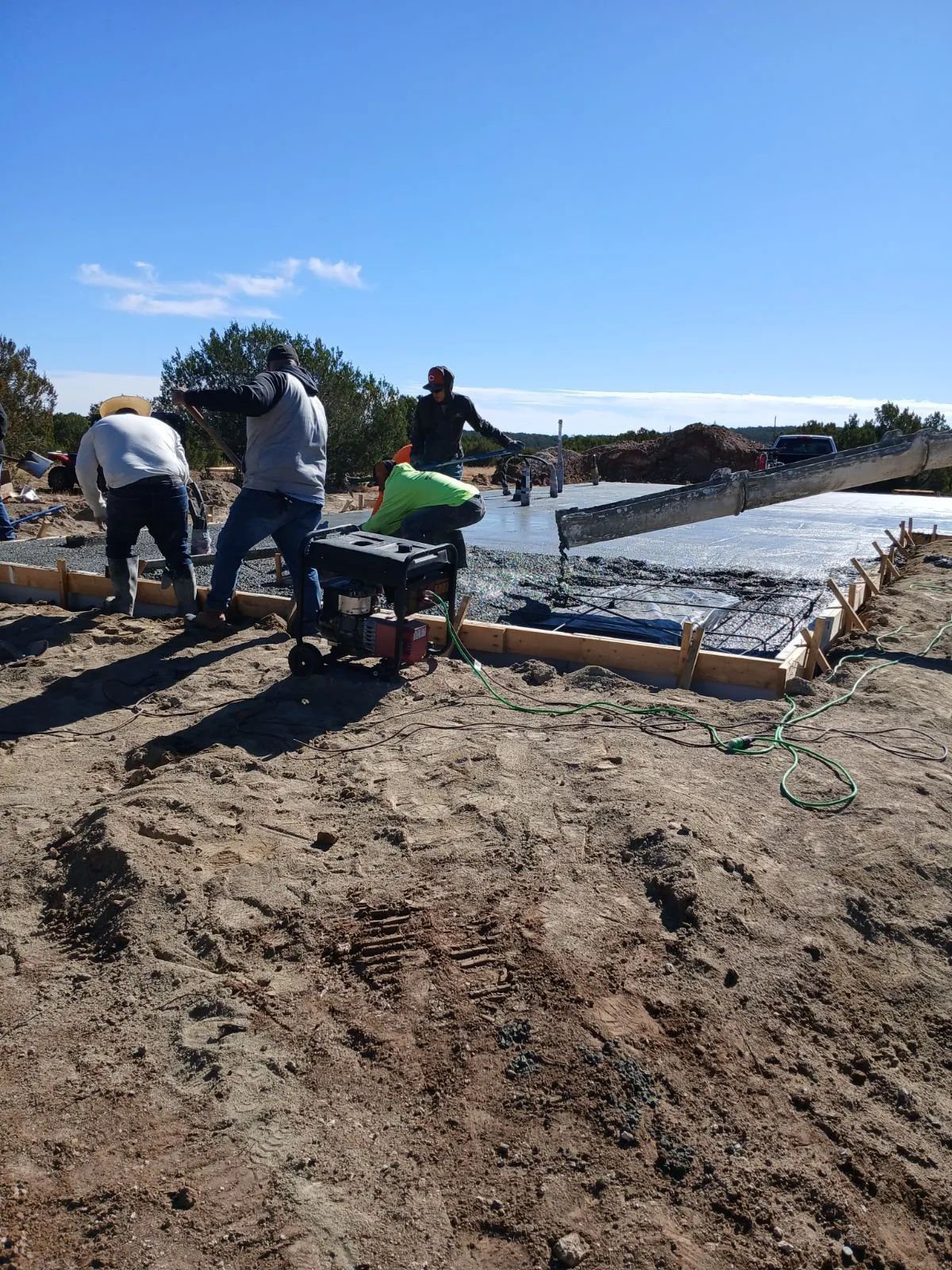
Workers pouring concrete foundation for a structure on a construction site; sunny day.
November 20, 2025
Concrete has been a fundamental building material for centuries, evolving alongside human ingenuity to meet the demands of modern construction. Its versatility, durability, and cost-effectiveness make it the preferred choice for structures ranging from residential homes to towering skyscrapers.
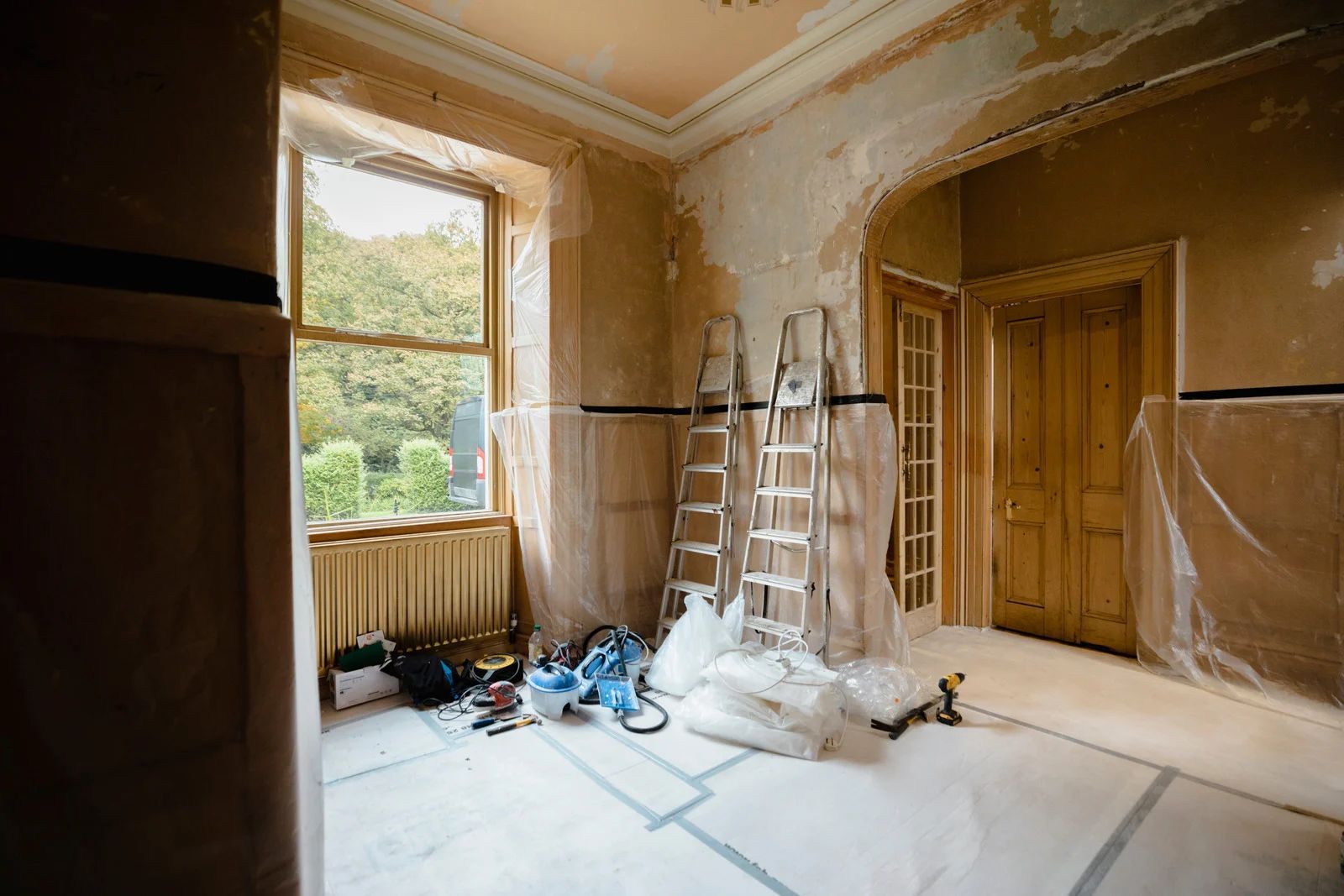
Room under renovation with ladders, tools, and plastic sheeting.
October 17, 2025
When it comes to improving your home, the terms “remodeling” and “renovation” are often used interchangeably, but they serve different purposes. Choosing the right approach can save time, money, and frustration, while ensuring your project meets your long-term goals.
Construction worker on a brown metal roof with blue tarps. Sunny day, tools, and a chimney are present.
September 25, 2025
A home’s roof is more than just protection from the elements—it plays a pivotal role in energy efficiency and overall property value. An expertly installed roof can regulate indoor temperatures, reduce energy consumption, and prevent costly repairs in the long run.
Show More
Workers pouring concrete foundation for a structure on a construction site; sunny day.
November 20, 2025
Concrete has been a fundamental building material for centuries, evolving alongside human ingenuity to meet the demands of modern construction. Its versatility, durability, and cost-effectiveness make it the preferred choice for structures ranging from residential homes to towering skyscrapers.
Room under renovation with ladders, tools, and plastic sheeting.
October 17, 2025
When it comes to improving your home, the terms “remodeling” and “renovation” are often used interchangeably, but they serve different purposes. Choosing the right approach can save time, money, and frustration, while ensuring your project meets your long-term goals.
Construction worker on a brown metal roof with blue tarps. Sunny day, tools, and a chimney are present.
September 25, 2025
A home’s roof is more than just protection from the elements—it plays a pivotal role in energy efficiency and overall property value. An expertly installed roof can regulate indoor temperatures, reduce energy consumption, and prevent costly repairs in the long run.
Show More